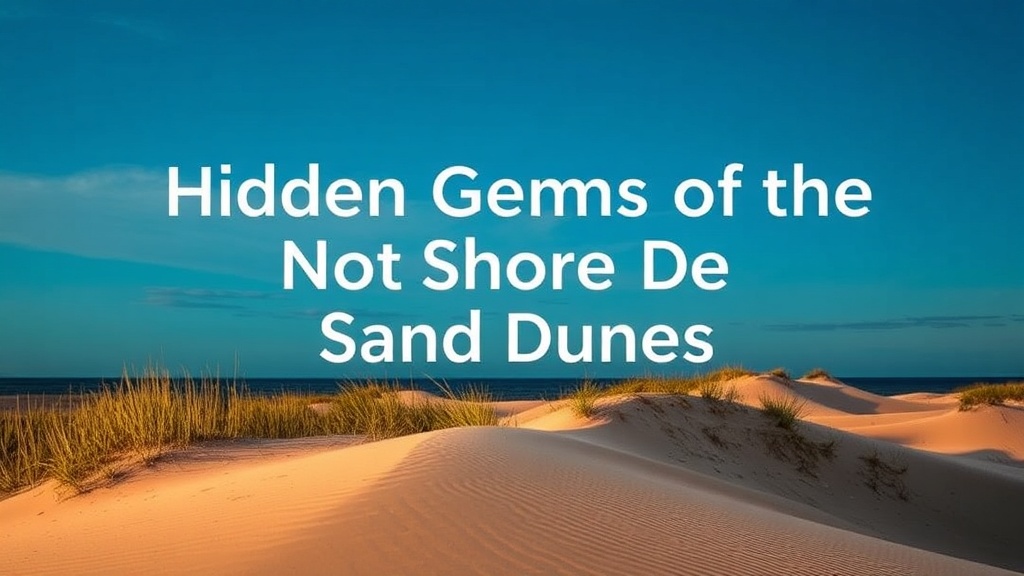
Hidden Gems of the North Shore Sand Dunes

This post details the specific locations, seasonal timing, and accessibility details for exploring the North Shore sand dunes of the Magdalen Islands. You'll find specific coordinates for the most secluded dunes, advice on the best weather conditions for photography, and practical tips for respecting the delicate ecosystem of the Parc national de la Mauricie area and the surrounding dunes. It's a guide for those who want to move beyond the standard tourist paths and see the archipelago's geological wonders up close.
The dunes aren't just piles of sand; they're living, moving structures that define our coastline. If you've ever stood on the edge of the Gulf of St. Lawrence, you know the wind here doesn't play around. It shapes the sand, the vegetation, and the very feeling of the islands. To see them properly, you need more than just a camera—you need a plan.
Where are the best dunes to visit on the North Shore?
The best dunes for visiting are located primarily around the Cap-aux-Meules area and the eastern stretches of Île Bouzaert. While many people stick to the main beaches near the village, the real magic happens when you head toward the more rugged, less frequented stretches of the North Shore.
If you want to avoid the crowds, skip the main access points. Instead, look for the small, unmarked pull-offs along the secondary roads. One of my personal favorites is the stretch near the dunes of Grande Entrée. It's much quieter than the central beaches. You might find yourself alone with nothing but the sound of the wind and the occasional seagull. (And trust me, that's a rare gift around here during July).
Here is a quick breakdown of the different types of dune experiences you'll find:
| Dune Type | Best For | Difficulty |
|---|---|---|
| High Grass Dunes | Photography & Texture | Easy (Flat walks) |
| Wind-Swept Slopes | Adventure & Views | Moderate (Steep sand) |
| Coastal Bluffs | Dramatic Scenery | Hard (Uneven terrain) |
The high grass dunes are great for those who want a relaxing stroll. But if you're looking for that "edge of the world" feeling, you'll want to tackle the wind-swept slopes. Just watch your step—the sand can be incredibly unstable. It's easy to lose your footing if you aren't careful.
The Importance of the Ecosystem
We have to talk about the environment. These dunes are incredibly fragile. The vegetation—specifically the beach grass—is what holds the sand in place. If you walk on the grass, you aren't just "taking a shortcut"; you're actually contributing to erosion. It's a serious issue for the Parks Canada managed areas in our region.
I've seen too many people trample the dunes because they wanted a better photo angle. Please, stay on the marked paths. The geology of sand dunes is a delicate balance. Once the plant life is gone, the wind takes the sand, and the landscape changes forever. It’s a permanent scar on the coast.
What is the best time of year to visit the dunes?
The best time to visit the dunes is between late June and early September to ensure the weather is stable and the vegetation is at its peak. However, if you're looking for the most dramatic light for photography, early morning in July is unbeatable.
The wind is the deciding factor here. In June, it can be quite biting, even if the sun is out. By August, the warmth of the Gulf makes the sand much more pleasant to walk on. If you're a photographer, you'll want to be there at sunrise. The way the light hits the ridges of the dunes creates long, dramatic shadows that you just won't get at noon. It's spectacular—really.
Pro-tip: Bring a windbreaker. Even on a "warm" day, the breeze off the Gulf can drop the perceived temperature by ten degrees in seconds. I never leave the house without my Patagonia Torrentshell jacket, even when the forecast looks clear. You'll thank me later.
A Note on Wind and Weather
The wind isn't just a nuisance; it's a tool of nature. It moves the sand constantly. This means a dune you saw yesterday might look completely different today. This constant movement is why the North Shore is so dynamic. It’s never the same place twice.
On the flip side, heavy wind can make a visit unpleasant. If the gusts are over 50 km/h, you'll spend more time squinting and fighting the sand in your eyes than actually enjoying the view. Check the local maritime forecasts before you head out. It's better to stay home than to get sandblasted.
How much does it cost to access the dunes?
Access to most public dunes is free, but some areas managed by the province or Parks Canada may require a daily pass or a seasonal permit. Most of the natural shorelines are open to the public, but parking is limited.
If you are looking to explore the more protected areas, you might need to pay for a pass. Most of these fees are nominal—usually around $7 to $10 for a day pass. It's worth it to support the conservation of the islands. Here is a quick list of what to expect for your budget:
- Public Shorelines: Free (but watch for parking restrictions).
- Parks Canada Sites: Daily fee required (check official Parks Canada sites for current rates).
- Parking: Usually free in designated areas, but avoid blocking local access roads.
Don't forget to bring your own food and water. There aren't many "convenience stores" right on the dunes. If you're planning a long afternoon of exploring, you'll want a sturdy backpack and plenty of hydration. I usually pack a light lunch and some snacks from the local bakery in Cap-aux-Cuillures before I head out.
If you're feeling hungry after a long walk, you might want to check out some local eats. After a long day in the wind, nothing beats a hearty meal. You can find great seafood nearby if you head back toward the main villages. If you're looking for something more specific, you might enjoy finding the best shellfish shacks in the archipelago to refuel.
The dunes are a place of transition. They represent the boundary between the solid land and the infinite sea. When you stand there, you feel small. That's a good thing. It reminds us that the natural world operates on a timeline much larger than our own. Just respect the sand, watch the wind, and enjoy the view.