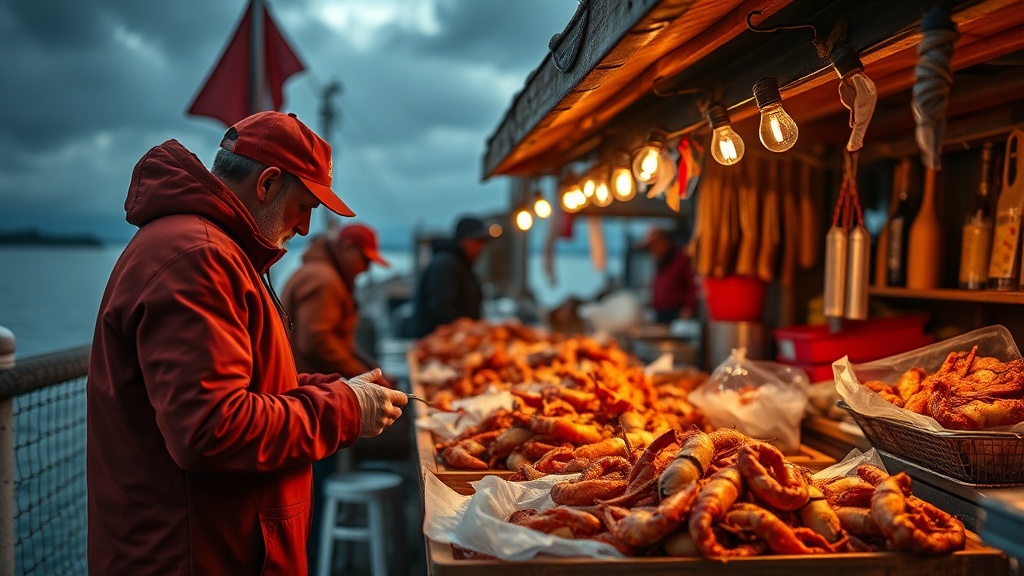
Finding the Best Shellfish Shacks in the Archipelago

Are you wondering where to find the freshest mussels, clams, or scallops without paying tourist-trap prices? This guide identifies the best local shellfish shacks and seasonal seafood stands across the Magdalen Islands (Îles de la Madeleine) so you can eat like a local. We’ll look at the best locations for seasonal availability, what to look for in quality, and how to time your visits to ensure you don't miss out on the freshest catch.
Where Can I Buy Fresh Shellfish in the Magdalen Islands?
You can find the highest quality shellfish at local fish markets, seasonal roadside stands, and specific wharf-side vendors located throughout the archipelago.
The most reliable way to get seafood is to head straight to the docks or the established fishmongers in Cap-aux-Meules. While many visitors flock to sit-down restaurants, the real magic happens at the small, often unpretentious stands that pop up during the peak summer months. These spots aren't just selling food; they're selling the direct result of the morning's haul. If you see a truck or a small shed with a sign indicating fresh arrivals, pull over.
For those looking for specific varieties, keep an eye out for the following:
- Mussels (Moules): Often sold in large mesh bags, these are the staple of the islands.
- Clams (Palourdes): These are highly sought after and often sell out fast during high season.
- Scallops: While more seasonal and slightly more expensive, they are a local delicacy.
I always suggest checking the official local tourism resources or local community boards for any temporary closures or seasonal shifts in vendor locations. Sometimes, the best spots aren't even on a map—they're just a sign on a gravel road near a wharf.
Don't expect a five-star dining experience when you're buying from a roadside stand. It’s about the product. It's about the salt air and the fact that the person selling it probably pulled it from the water just a few hours ago. It's simple, honest food.
What is the Best Time to Buy Shellfish?
The best time to buy shellfish is during the peak summer months (July and August) and early autumn when the weather is stable and the local harvest is at its height.
Timing is everything here. If you arrive in late September, you might find the selection significantly diminished as the season winds down and the weather turns. Most of the small-scale, informal seafood shacks operate on a very strict seasonal schedule. They open when the weather warms up and close once the first frost hints at the end of the season.
Pro-tip: Go in the morning. If you wait until 3:00 PM, you’ll often find the bins are empty. The best batches—the ones that aren't bruised or overly weathered—are usually snapped up by the locals before the midday rush. It's a competitive market, even if it doesn't look like it.
If you want to understand more about the biological cycles and the importance of maintaining local stocks, the Wikipedia page on shellfish provides a great overview of how these species thrive in specific environments. The Magdalen Islands provide a unique ecosystem that makes our local varieties stand out.
Comparing Seafood Types and Availability
I've put together this quick comparison to help you decide what to grab based on your budget and what you're planning to cook.
| Type of Shellfish | Availability | Best Way to Prepare | Price Point |
|---|---|---|---|
| Mussels | High (Summer) | Steamed with garlic and white wine | $ |
| Clams | Moderate | Sautéed in butter or in a chowder | $$ |
| Scallops | Low (Seasonal) | Seared in a cast-iron pan | $$$ |
How Much Does Shellfish Cost in the Islands?
Prices vary depending on the species and the vendor, but you can generally expect to pay between $10 and $30 per kilogram for mussels and clams.
Pricing is much more affordable than what you'd find in a high-end Montreal bistro, but it's not "cheap" in the sense of being a bargain-basement item. You are paying for freshness and the labor of the local harvesters. Scallops, for example, will always command a premium. If you see a stand selling high-quality scallops, don't blink at the price—it's worth it.
One thing to keep in mind: always ask if the price is per pound or per kilogram. In Canada, we use the metric system, but in some older, more traditional-feeling seafood stands, there can be a bit of confusion. It's better to be clear. Also, check if the weight includes the shells! (It almost always does, but it's a good habit to have when buying seafood elsewhere too.)
It's worth noting that buying directly from a vendor supports the local economy directly. These small operations are the backbone of the archipelago's food culture. When you buy a bag of mussels from a guy in a yellow raincoat, that money stays right here in the islands.
A Quick Checklist for Quality
- The Smell Test: Fresh shellfish should smell like the ocean, not "fishy." If it smells strong or unpleasant, leave it.
- The Shell Check: For mussels and clams, ensure the shells are tightly closed. If they are open, they might be dead.
- The Texture: If you're buying pre-shucked (though I recommend buying whole), the meat should be plump and firm, not mushy.
I once bought a bag of clams that looked great, but they were actually quite old. I learned my lesson: always look for that bright, clean scent. If you're unsure, just ask the vendor. They are usually quite proud of their stock and will be happy to tell you exactly when it was harvested.
If you're looking for more technical information on seafood safety and how to handle shellfish properly at home, the Government of Canada's health guidelines are an excellent resource. It's important to know how to store what you buy so it stays fresh until you get back to your cottage or rental.
The best way to enjoy these finds is to keep it simple. Grab a loaf of crusty bread, a bottle of crisp white wine, and some high-quality butter. You don't need to overcomplicate a meal when the ingredients are this good. Whether you're sitting on a pier or at a wooden table in your kitchen, the experience is the same.
The islands change with the seasons. What is available in June might be gone by September. Don't wait until the end of your trip to go on a seafood hunt. Make it a priority early on. You'll thank me when you're sitting there with a bowl of steaming mussels and the sun setting over the Gulf.